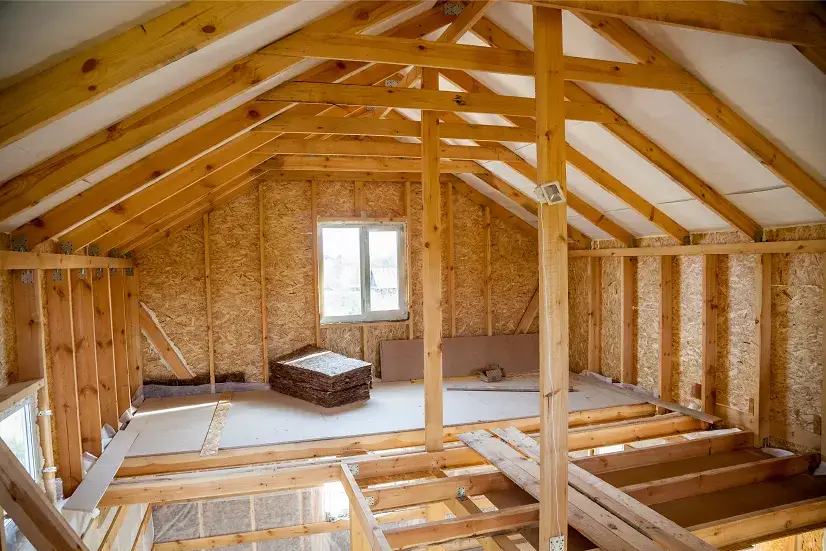
Whitchurch-Stouffville has three very different kinds of homes. Older houses line Main Street and the original village. Newer subdivisions have filled in much of the town over the past two decades. And rural properties around Ballantrae, Musselman’s Lake, Gormley and Vandorf sit on open land, exposed to wind and drifting snow.
Each type has its own attic weak spots. This guide covers what to look for in every season and how to fix attic mould for good.
Attic Risks by Home Type
| Home type | Common attic weak spots |
|---|---|
| Village and heritage homes | Little soffit ventilation, air leaks around old fixtures and chimneys, thin insulation |
| Newer subdivisions | Disconnected bathroom fan ducts, insulation blocking soffits, unsealed attic hatches |
| Rural and exposed homes | Wind-driven snow through roof vents, higher wind pressure pushing air through gaps, larger and more complex rooflines |
Winter: Wind, Snow and Condensation
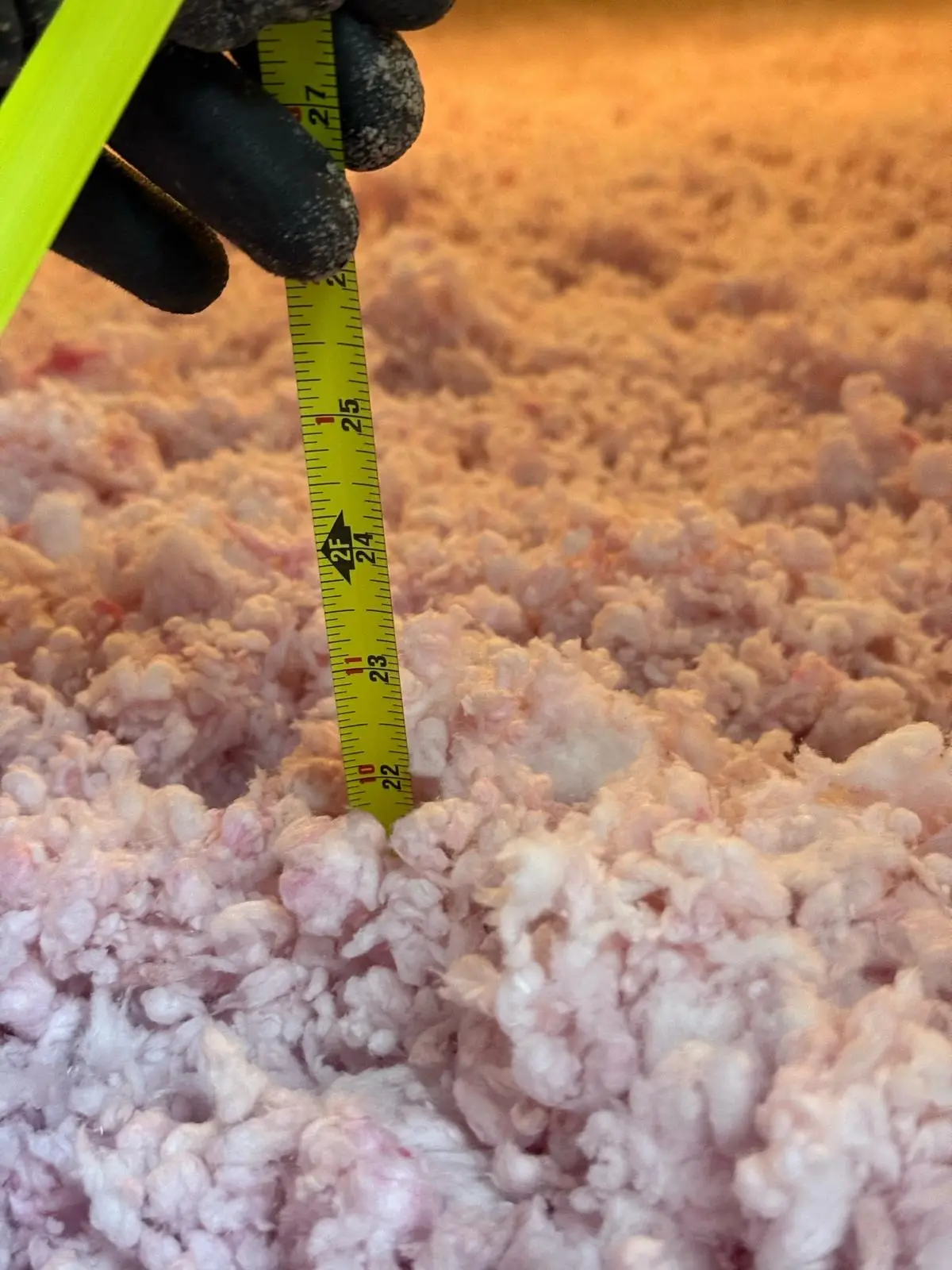
In winter, warm, humid indoor air leaks into the attic and condenses on the cold roof boards. On open rural lots, strong winds add another problem: fine snow can blow in through roof and gable vents and land on the insulation. When it melts, it soaks the insulation from above.
Signs to watch for:
- Frost on nail tips and roof boards
- Small snow drifts on top of attic insulation after a storm
- Ice dams along the eaves
- Cold drafts in upstairs rooms on windy days
Spring: Melt Season
When spring arrives, frost and any blown-in snow melt into the insulation and wood. Look for:
- Stains on upstairs ceilings
- Wet, flattened insulation
- Dark spotting on roof boards, usually worst on the north side
- A musty smell
Summer: Humid Days
On humid summer days, poorly ventilated attics trap moisture. Homes near Musselman’s Lake or surrounded by trees and wetlands may see higher humidity. Attic AC ducts that aren’t sealed and insulated can sweat.
Fall: Get Ready for Winter
- Clean eavestroughs
- Confirm bathroom fans vent outside
- Check soffit vents for blockages
- On exposed properties, ask about wind-resistant roof vents
- Seal and insulate the attic hatch
How Attic Mould Is Treated
- Assess. Health Canada considers a mould area under about 1 square metre small. A single patch over about 3 square metres is large and should be handled by a qualified professional.
- Remove damaged insulation. Our attic insulation removal service in Stouffville clears out wet or contaminated insulation.
- Clean the wood. Surface mould is cleaned and the wood dried. Rotted sheathing may need a roofer.
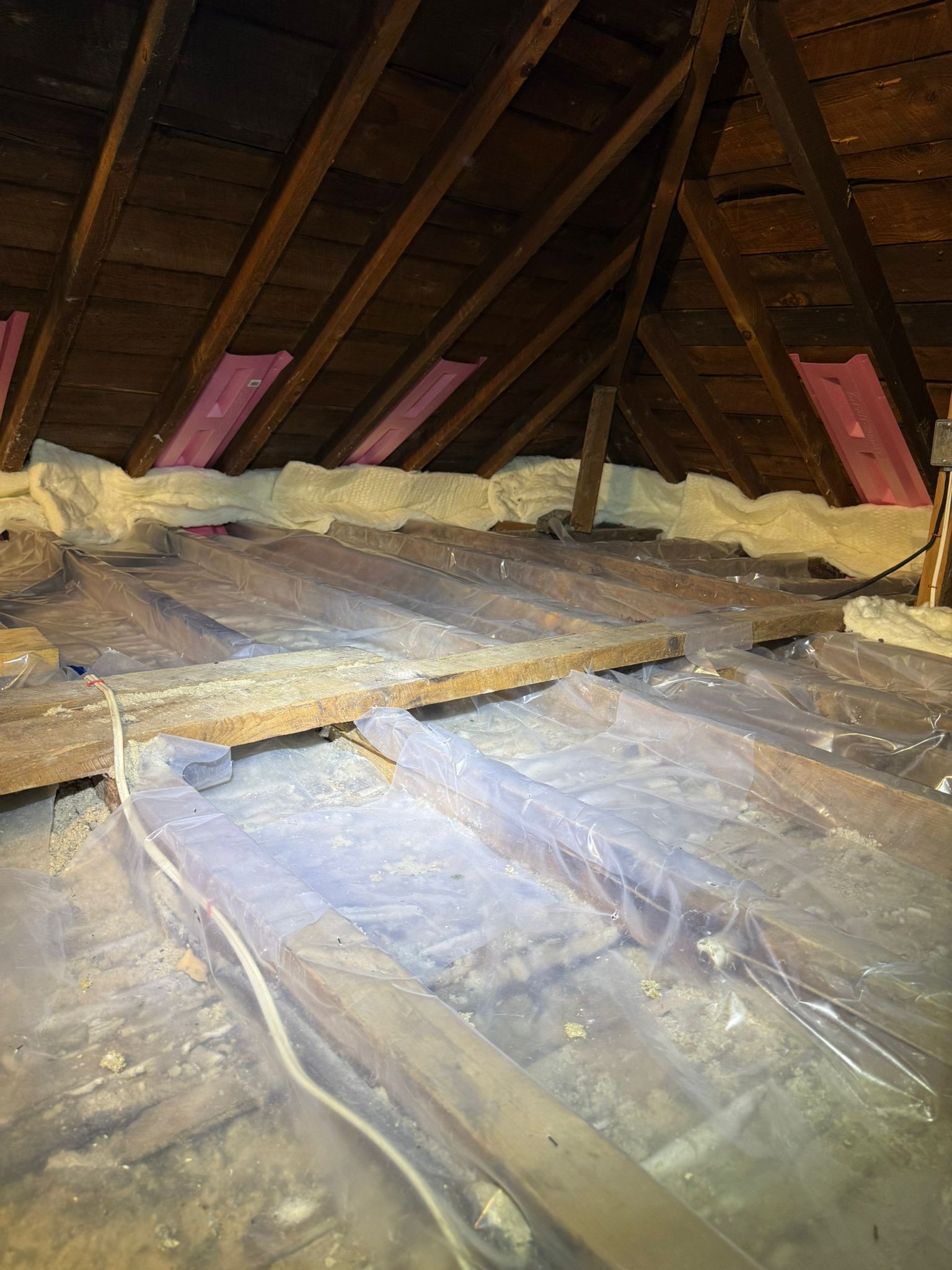
- Air seal. Seal ceiling penetrations and the hatch. In windy, exposed homes, air sealing makes an even bigger difference. AeroBarrier air sealing seals leaks across the whole home.
- Ventilate. Install baffles, vent fans outdoors and add a vapour barrier where needed.
- Re-insulate. Choose cellulose blown-in, fibreglass blown-in or spray foam insulation. 2 lb closed-cell spray foam is a strong choice for cathedral ceilings and rooms over garages. See also our garage ceiling insulation service.
Replace damaged ceilings, and use moisture-resistant drywall in bathrooms.
Prevention for Stouffville Homes
- Air seal the attic floor
- Keep soffits open with baffles
- Vent all fans outdoors
- Insulate to current levels (attic insulation in Stouffville)
- On rural lots, check the attic after major wind and snow storms
- Inspect each spring and fall
Upgrades may qualify for rebates. See our home renovation rebate page.
Frequently Asked Questions
Why is there snow in my attic?
Strong winds can push fine snow through roof or gable vents. Wind-resistant vents and proper baffles can help.
Do rural homes get attic mould more often?
They face extra wind and snow exposure, which can add moisture. But air leaks and ventilation are still the main factors.
My subdivision home is new. Should I still check the attic?
Yes. Newer homes can have disconnected fan ducts or blocked soffits that lead to mould in the first few winters.